Thaliwu Cultural Park Operation and Promotion Project
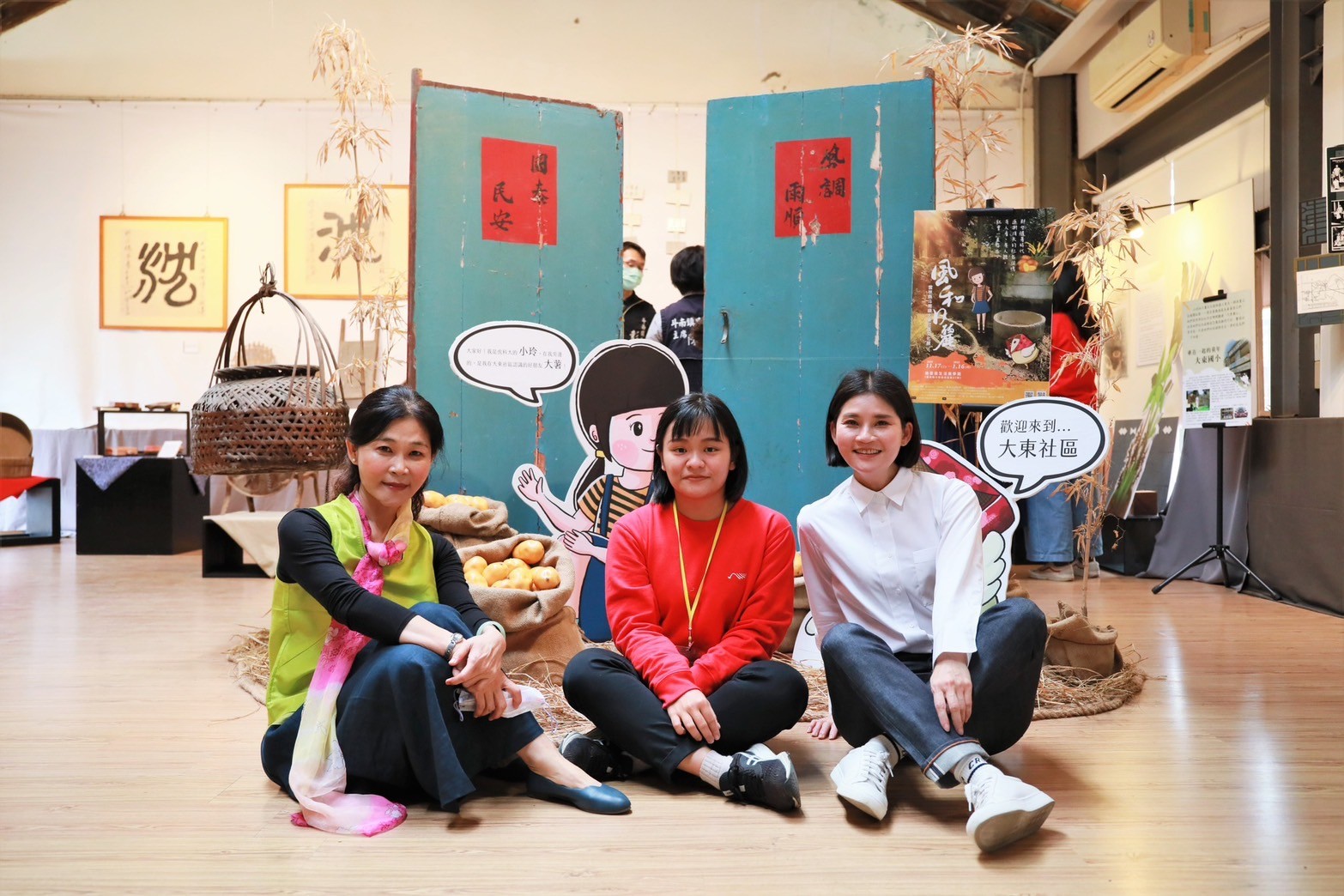
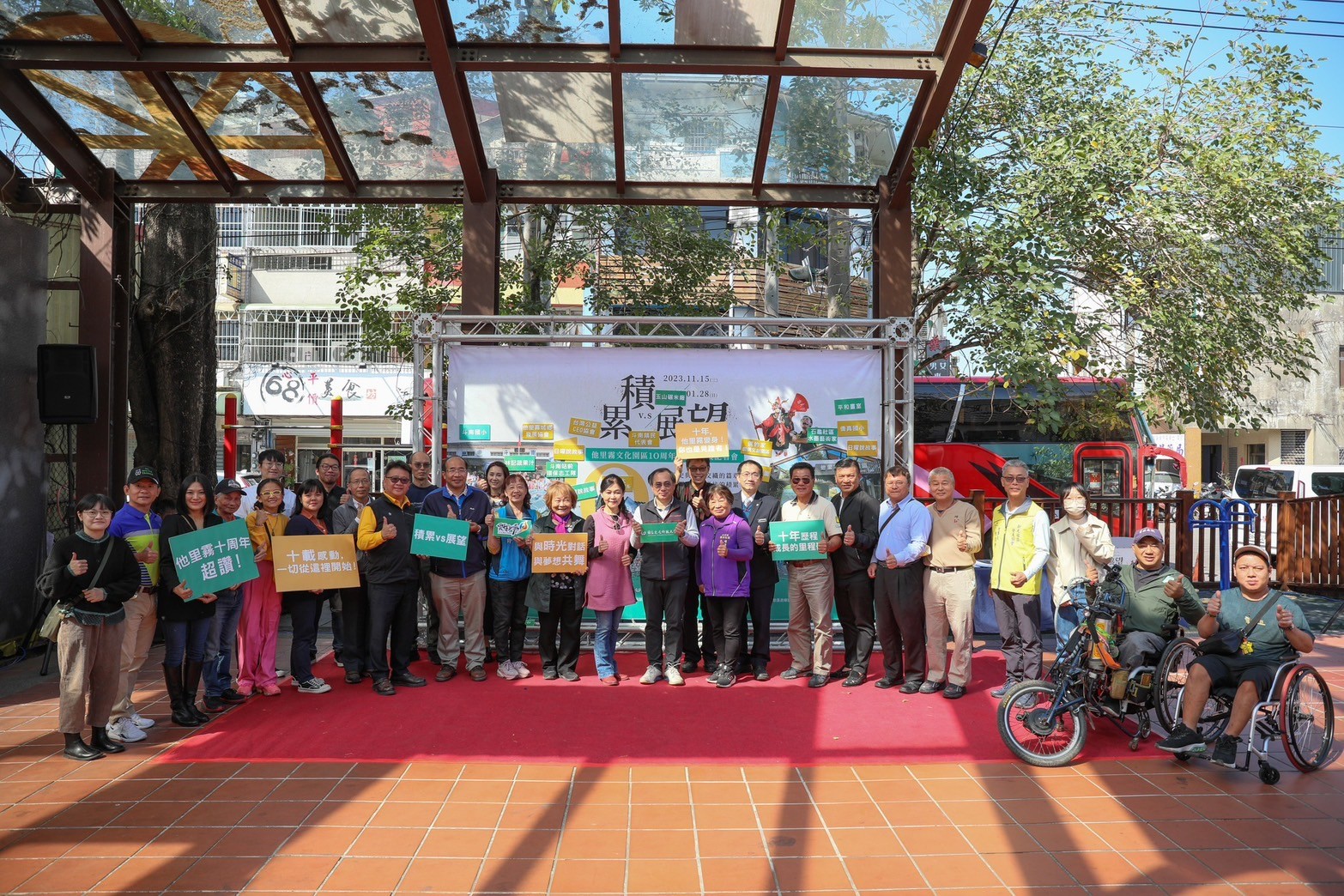
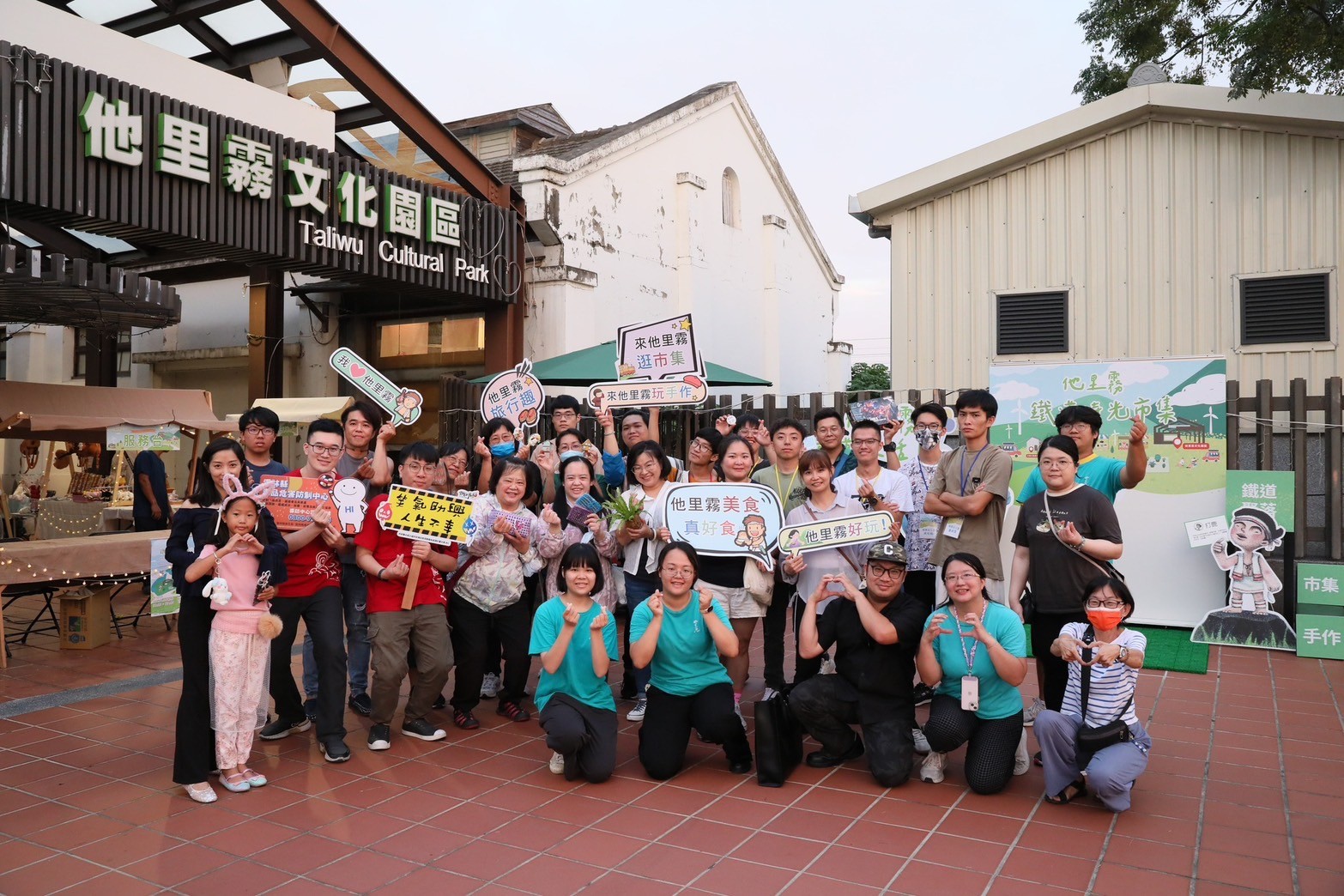
National Formosa University officially began operating the Thaliwu Cultural Park on April 16, 2017. Led by Professor Dun-Ru Liao from the Department of Multimedia Design, a team of recent graduates with an average age of under 30 was formed to manage the park. From the outset, the team recognized that the operation of local cultural facilities should be rooted in the stories and historical context of the community, integrating local resources in education, arts and culture, and industry into a comprehensive development strategy. They believe that culture serves as the foundation of local revitalization, and only through a solid cultural heritage can a community maintain its unique identity in an increasingly globalized world. Rather than viewing the site merely as the enclosed "Thaliwu Cultural Park," the team envisioned its transformation into the "Thaliwu Glimmer Grassland Community." Guided by the three core values of Coexistence, Sharing, and Prosperity, they have worked toward creating a cultural and creative community that is deeply connected with local life.
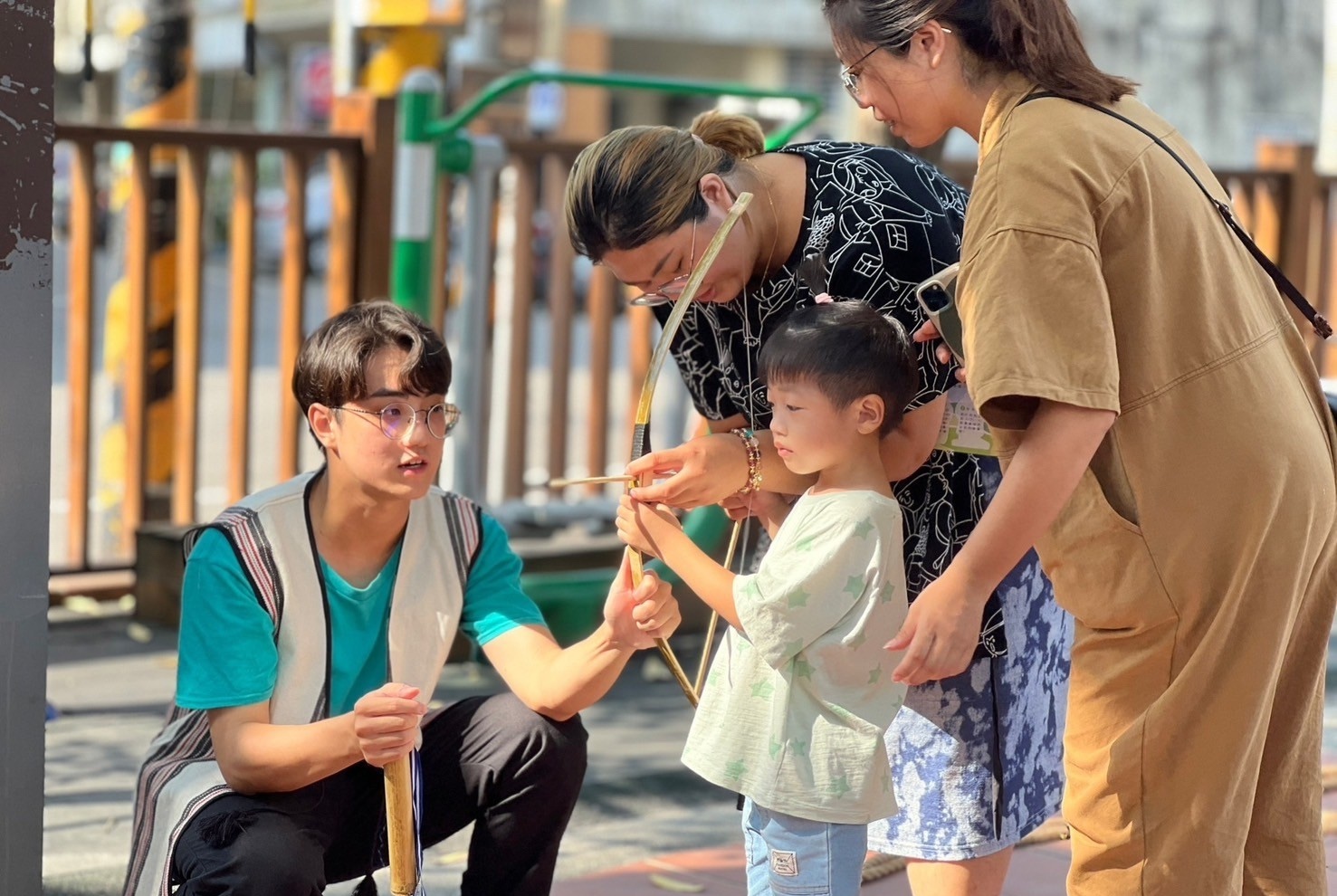
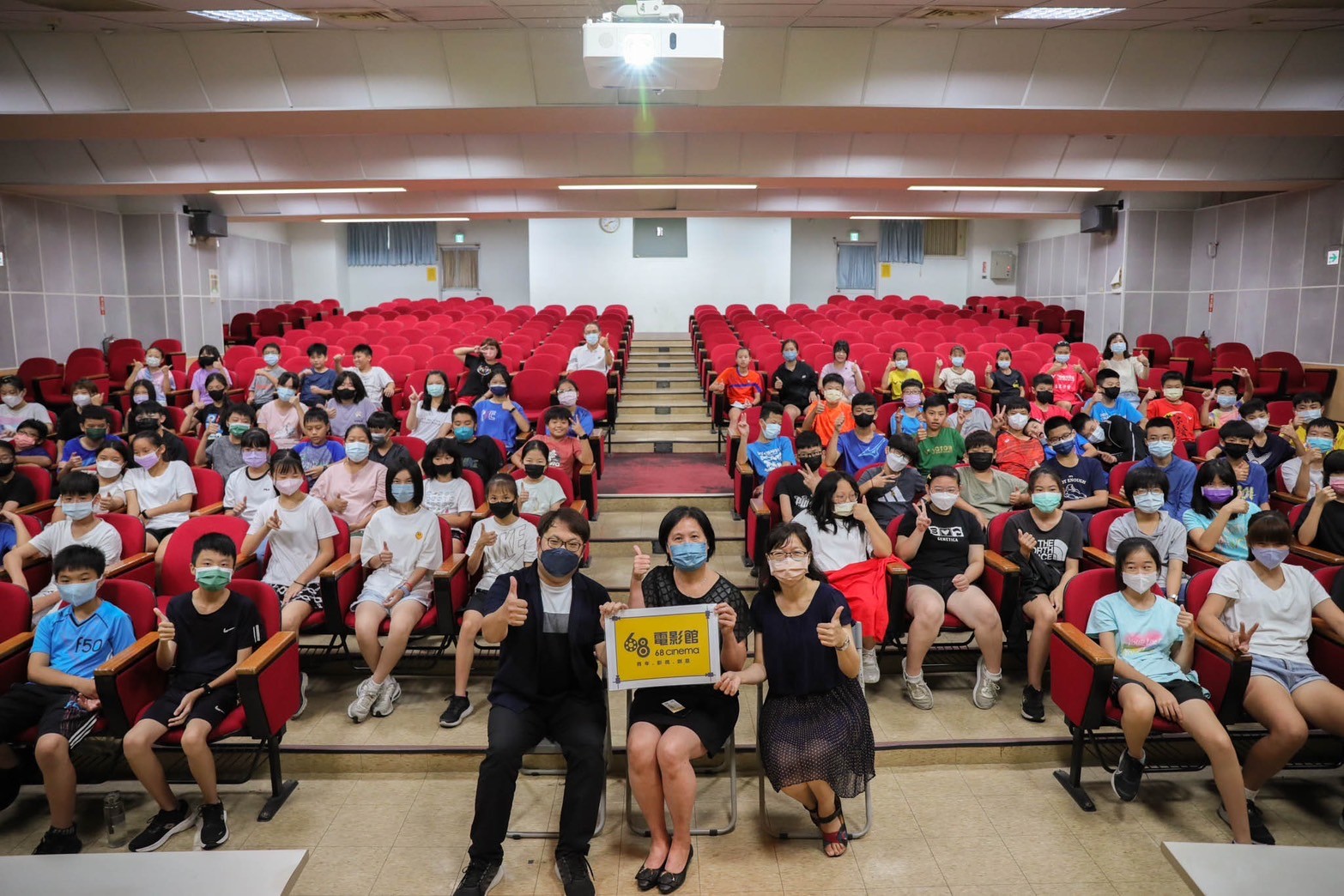
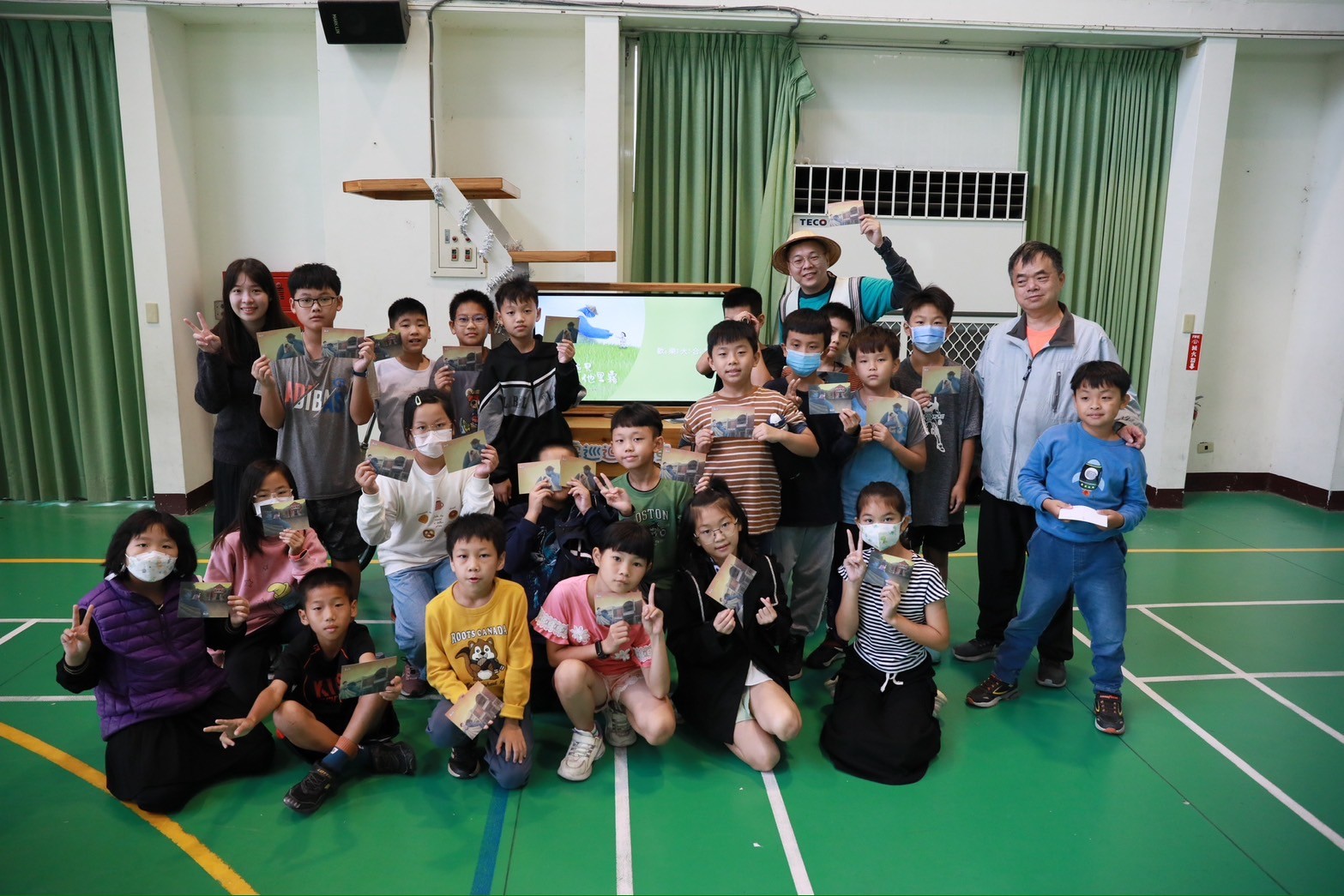
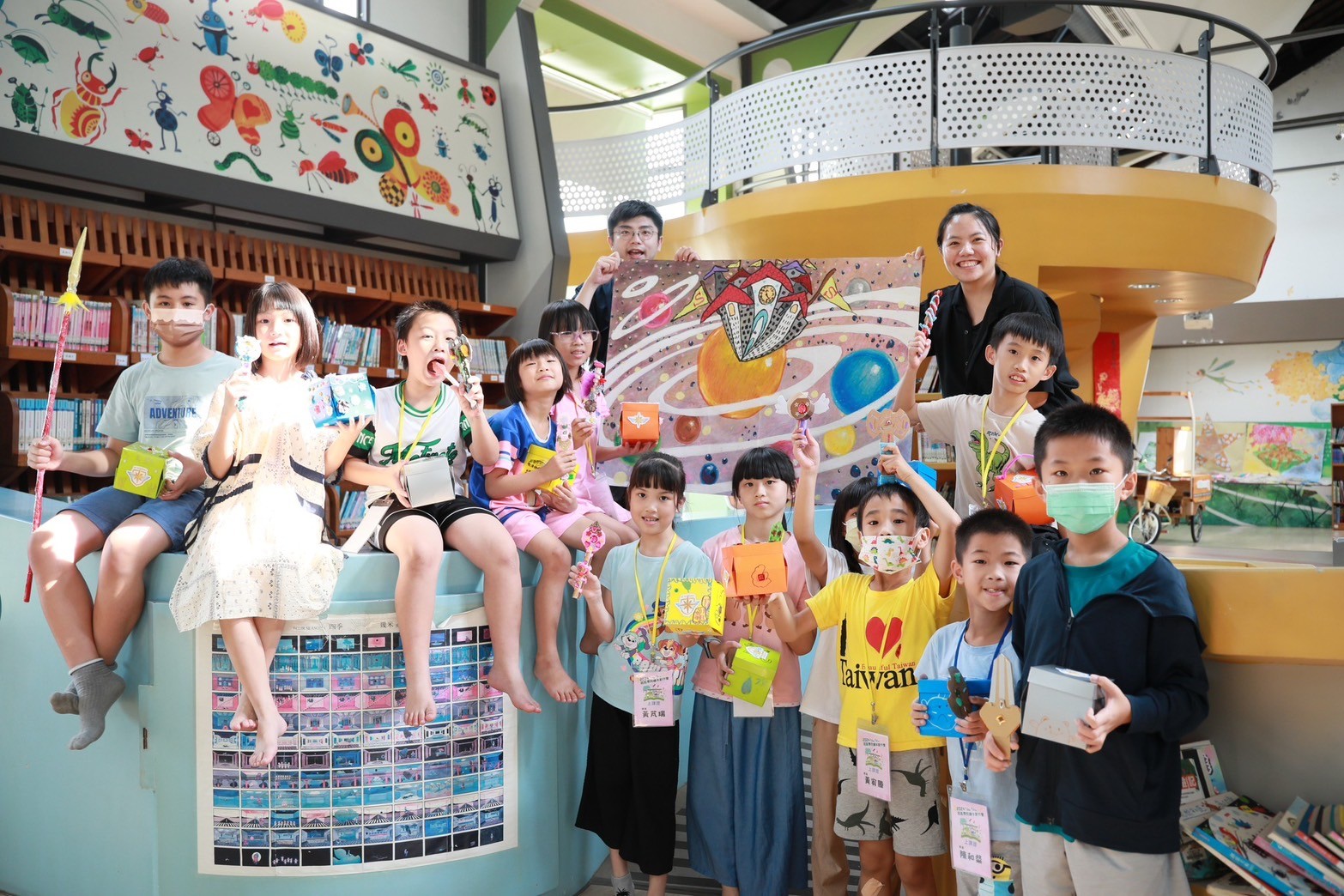
Since the National Formosa University team took over the operation of Thaliwu Cultural Park, numerous innovative local development initiatives have been implemented. One of the flagship projects is the development and promotion of the local picture book Meet Thaliwu. Reflecting the spirit of University Social Responsibility (USR), the project involved extensive historical and cultural research across the 24 villages of Dounan Township. Through field investigations and interviews with local elders, the team documented valuable local knowledge and stories hidden within the community. Centered on the origin of the name "Dounan," graduate students from National Formosa University created both the illustrations and text, resulting in the publication of Meet Thaliwu in 2018—the first locally themed picture book dedicated to Dounan Township. Based on the concept of One-Source Multi-Use (OSMU), the project has continued to expand its impact by transforming the original picture book into various media, including animated adaptations, interactive multimedia learning materials, story boxes, and storytelling bicycles. Most importantly, giving back to the local community has remained the project's central mission. The team has maintained close collaboration with local elementary schools by donating books and organizing traveling storytelling activities, fostering cultural sustainability while contributing to Sustainable Development Goal (SDG) 4.7: Education for Sustainable Development and Global Citizenship.